Watch Our Innovation in Action

Welcome to ArcheoRadon. Archaeologists and cave researchers can encounter radon in underground spaces without realizing it. We designed a wearable early-warning concept to explore how readings and alerts could help researchers working underground.
Our project raises awareness of radon exposure and its link to lung cancer. It includes:
- A wearable radon detector concept
- A mobile app prototype
- A concept for team-wide alerts
- Tools for education and awareness
WHY RADON EXPOSURE MATTERS
The Invisible Hazard Beneath Our Feet
Radon can accumulate in underground spaces with limited ventilation. Long-term exposure increases the risk of lung cancer.
Read The Problem: Radon and Lung Cancer →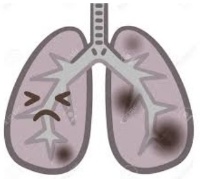
The EPA identifies radon as the leading cause of lung cancer among people who don’t smoke.
Concentrations can rise in poorly ventilated underground spaces.
You can’t see or smell radon. Testing measures how much is in the air.
OUR MISSION
Safer Research. Smarter Detection. Stronger Protection.
We want to help archaeologists and underground researchers understand radon exposure while they uncover history. Our project brings together science, innovation, and practical design.
OUR SOLUTION – THE WEARABLE RADON DETECTOR
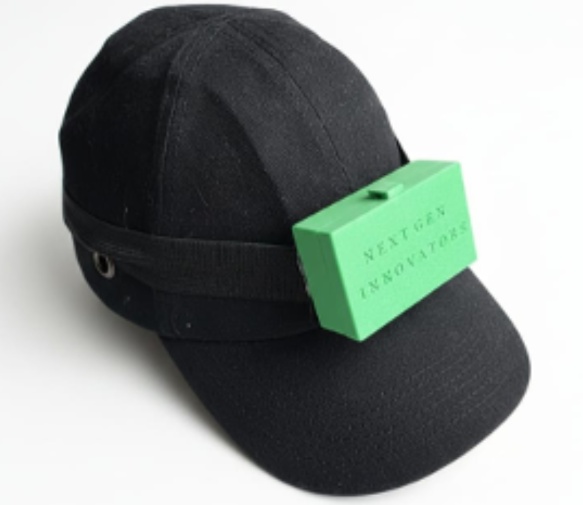
Real-Time Alerts. Lightweight Design.
Our lightweight prototype pairs on-device feedback with a mobile app. It demonstrates how readings could be displayed, tracked over time, and used to trigger alerts.
- Support safer working conditions for archaeologists.
- Raise awareness of radon exposure.
- Explore how alerts could support decisions in the field.
JOIN THE JOURNEY
Let’s build a safer world beneath the surface. If you’re an archaeologist, researcher, educator, or supporter, we’d love to connect.